How to choose fruit for small-batch jam in Japan
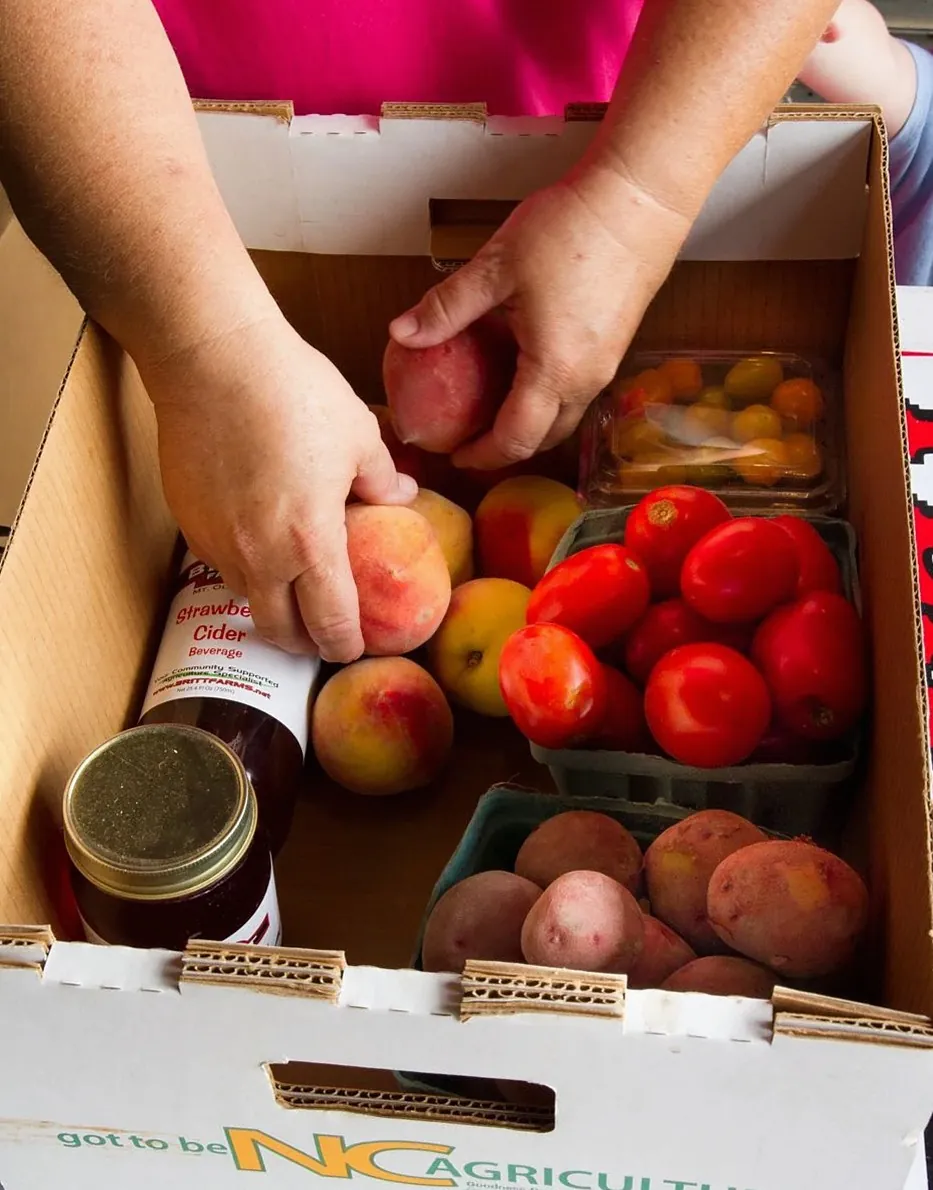
The fruit that makes the best jam is rarely the fruit that looks the best in a shop. Jam is a cooking process, not a display, and the qualities that make a piece of fruit visually appealing. Uniform size, unblemished skin, firm texture. Are not the same qualities that make it taste good when cooked down with sugar.
Japanese agricultural grading and what it means for jam
Japan's agricultural grading system sorts fruit by size, colour uniformity, and surface condition. The top grades go to department store gift boxes and supermarket premium shelves. The lower grades, often called 'B-grade' or 'kizumono,' are sold at reduced prices or, in some cases, not sold at all.
For jam making, B-grade fruit is often preferable. A persimmon with a small surface mark has the same flavour as a perfect one. An apple that is slightly asymmetrical has the same sugar content. The cosmetic defect that drops it out of the top grade does not affect what happens in the pot.
Ripeness is the thing that actually matters
Underripe fruit has less sugar and more starch, which means you need to add more sugar to compensate and the flavour is thinner. Overripe fruit has broken-down pectin, which makes setting unreliable and the flavour can tip into fermented territory.
The window for jam fruit is ripe to just-past-ripe. For stone fruits like plums and apricots, this means fruit that gives slightly under thumb pressure. For citrus, it means fruit that feels heavy for its size, which indicates high juice content.
Working with farms directly
Buying directly from a farm, even informally, gives you access to fruit that never reaches any retail channel. Farms in Saga and Nagasaki prefectures often have surplus at the end of a picking season, particularly for figs and persimmons, which have a short window before they deteriorate.
A direct relationship also means you know the variety, the growing conditions, and roughly when the fruit was picked. That information changes how you cook it.
The best jam fruit is not the most expensive or the most perfect-looking. It is the ripest, most flavourful fruit you can get your hands on, whatever grade it happens to be.