Making persimmon jam in autumn: what to know
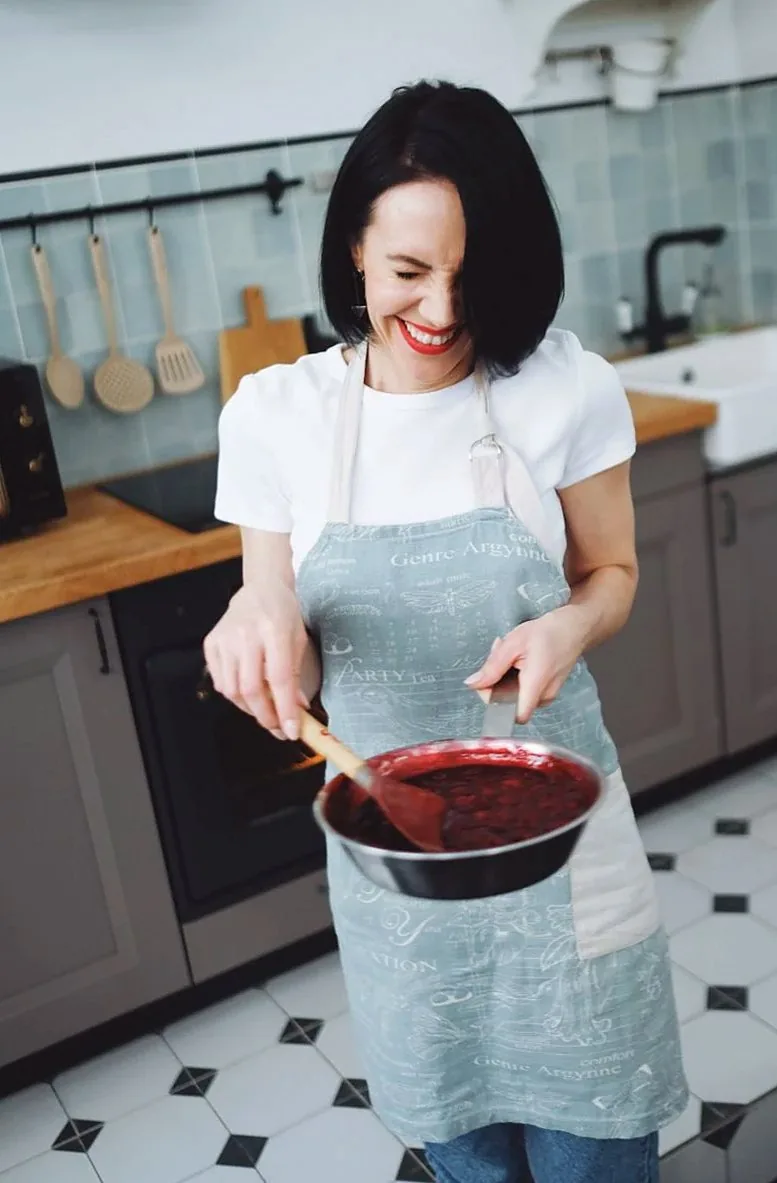
Persimmon season in Japan runs from October through December, depending on the variety and the prefecture. It is one of the few fruits that is genuinely better cooked than raw, at least for jam purposes, because the heat transforms the tannins in a way that raw eating never quite resolves.
Hachiya versus Fuyu: the practical difference
Hachiya persimmons are astringent when underripe and must be fully soft before eating or cooking. Fully ripe hachiya has a custardy, almost liquid interior with very high sugar content and a complex, slightly smoky flavour. For jam, this is the better variety: the high sugar means you can use less added sugar, and the flavour is more interesting.
Fuyu persimmons are non-astringent and can be eaten firm. They are milder in flavour and have a lower water content, which means they take longer to break down in the pot. Fuyu jam is possible but requires more cooking time and tends to produce a lighter, less complex result.
Handling tannins in hachiya
The tannin in underripe hachiya is the compound shibuol, which causes the dry, puckering sensation in the mouth. Heat and sugar both help to neutralise it, but the safest approach is to start with fruit that is fully ripe: the skin should be almost translucent and the flesh should give completely under light pressure.
If the fruit is slightly underripe, a small amount of lemon juice added early in the cooking process can help. The acid accelerates the breakdown of the tannin compounds under heat.
Getting the set right
Persimmon is a low-to-medium pectin fruit, which means the set can be unreliable if the cooking time is too short. The wrinkle test is essential. Daiki typically cooks persimmon jam for 20 to 28 minutes, depending on the water content of the specific batch, and checks the set every three minutes after the 18-minute mark.
The finished jam should be thick enough to mound slightly on a spoon but not so firm that it does not spread. If it sets too hard, a small amount of warm water stirred in after opening will loosen it.
Persimmon is one of those fruits that rewards patience in the pot. Rush it and the tannins stay present and the set is unreliable. Give it time and it turns into something genuinely worth opening in February when the season is long over.