How to store and gift jam in Japan without it going wrong
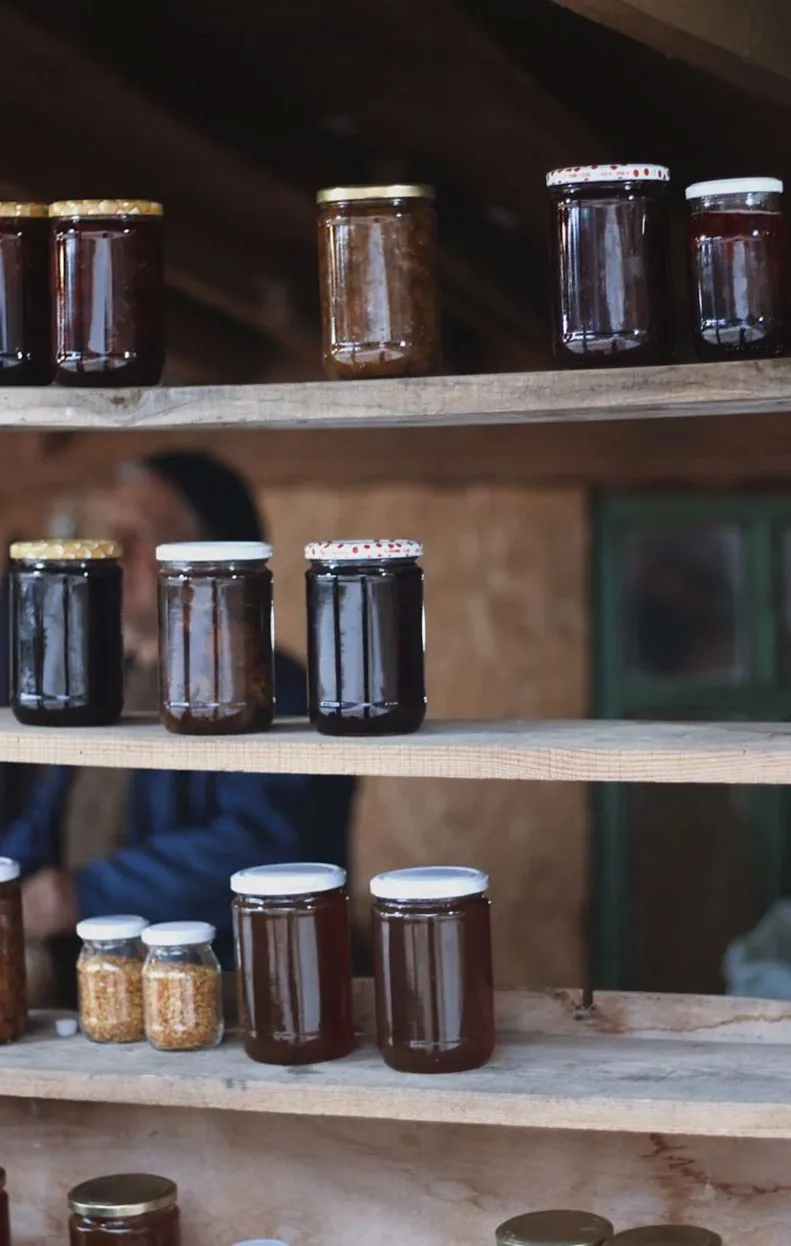
Jam is one of the more forgiving preserved foods, but it does have limits. Knowing how to store it correctly and what to tell someone when you give them a jar saves a lot of wasted jam and a few awkward conversations.
Storage before opening
An unopened jar of properly sealed jam should be stored in a cool, dark place away from direct sunlight. In Japan, where summer humidity is high, a kitchen cupboard away from the stove is fine for most of the year. Avoid storing jars near the sink or above the hob, where temperature fluctuates.
The shelf life on a Swift Kingdom jar is 12 months from the sealing date, printed on the bottom. This assumes the seal is intact. If the lid has any give when pressed in the centre, the vacuum seal has failed and the jar should be refrigerated and used within a week.
After opening
Once open, the jar goes in the fridge. Use a clean, dry spoon every time. Introducing moisture or food particles into the jar shortens the life significantly. An opened jar kept correctly will last three weeks in the fridge, though most people finish it faster.
If you notice any mould, discard the whole jar. Do not scoop around it.
Gifting jam in Japan: a few practical notes
Jam makes a good Ochugen or Oseibo gift because it is consumable, non-perishable in the short term, and specific enough to feel considered. The main thing to communicate to the recipient is the shelf life and the storage instruction, particularly if they are not regular jam eaters and might leave it in a cupboard for six months.
A handwritten note with the variety name, the sealing date, and a one-line storage instruction is more useful than a decorative tag. Swift Kingdom gift sets include this information on the card.
A jar of jam is a small, specific thing. Treating it correctly means the person who opens it in January gets the same experience as the person who made it in October.