What running a one-person jam kitchen in Japan actually looks like
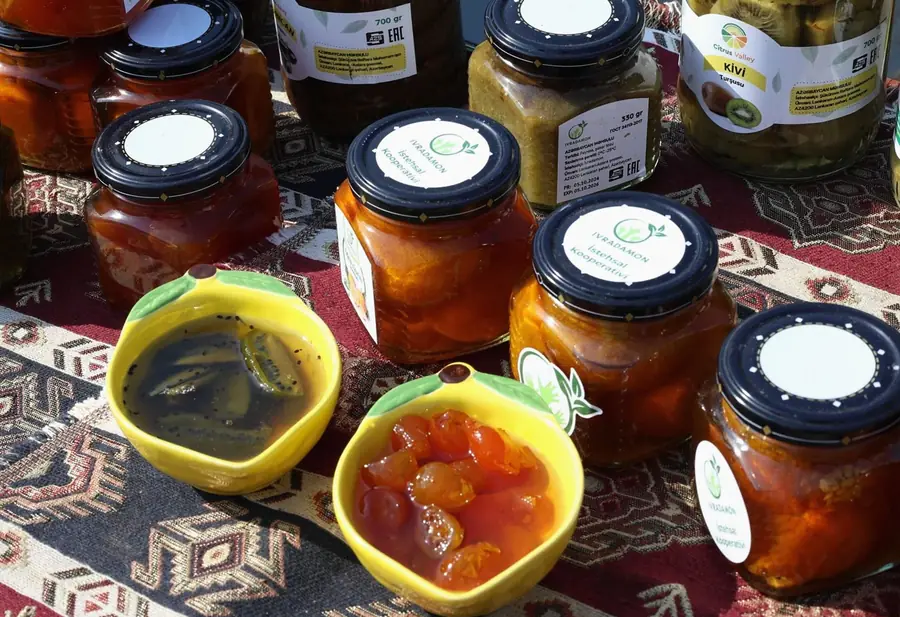
The romantic version of a one-person jam kitchen involves a lot of early mornings, copper pots, and fruit. The realistic version involves all of that plus a fair amount of paperwork, a very specific relationship with the post office, and a recurring argument with the jar sterilisation process.
Licensing and food hygiene in Japan
In Japan, selling food commercially requires a food business licence (食品営業許可) issued by the local public health centre (保健所). For a jam kitchen, this falls under the 'confectionery manufacturing' category. The kitchen must meet specific requirements: separate hand-washing facilities, surfaces that can be fully sanitised, adequate ventilation, and a production area that is physically separated from domestic living space.
Daiki's kitchen in Hakata-ku was inspected and licensed in early 2020 after the third move. The inspection process took about six weeks from application to approval, which is fairly standard for Fukuoka Prefecture.
The weekly production rhythm
A typical week runs like this: Monday is sourcing and prep, which means checking what fruit is available, placing orders with farms or visiting the wholesale market in Fukuoka, and washing and sorting the incoming fruit. Tuesday and Wednesday are cooking days. Thursday is labelling, packing, and shop update. Friday is shipping.
Each cooking session produces one or two batches, depending on how long each variety takes. The copper pot holds 4 kg of fruit, and a batch takes between 20 and 35 minutes of active cooking plus prep and cleaning time. Two batches in a day is a full day.
What takes longer than expected
Labelling. Writing each label with a dip pen and applying the wax seal takes about four minutes per jar. For a batch of 28 jars, that is nearly two hours of labelling alone. It is the part of the process that is hardest to speed up without losing the thing that makes it worth doing.
Email also takes more time than it should. Wholesale enquiries, subscription questions, gift order customisations, and the occasional very detailed question about pectin chemistry all come through the same inbox. Daiki answers everything, which is a choice that has a cost.
Running a one-person food business in Japan is manageable if you are realistic about what one person can actually produce in a week. The constraint is not motivation or skill. It is hours.